A1 Stuhr Accidents: Recent Crashes Bring Fatalities, Severe Injuries & Major Closures
The A1 motorway near Stuhr, a critical artery in Germany's transport network, has unfortunately been the scene of multiple severe accidents in recent days, resulting in fatalities, numerous serious injuries, and extensive traffic disruptions. These incidents underscore the inherent dangers of high-speed traffic, especially when combined with congestion, construction zones, and moments of driver inattention. Reports of an A1 Stuhr: Three Trucks Crash, Major Delays and Severe Injuries and a fatal car collision have left local communities and commuters grappling with the aftermath, highlighting the urgent need for heightened vigilance on our roads. This article delves into the details of these recent tragic events, their causes, and the broader implications for road safety on the A1.
Devastation on the Autobahn: The Multi-Truck Pile-Up Near Stuhr
One of the most significant incidents recently reported on the A1 near Stuhr involved a dramatic pile-up of three heavy goods vehicles, causing widespread chaos and severe injuries. The collision occurred around noon, specifically between the Dreieck Stuhr junction and the Brinkum interchange, heading in the direction of Hamburg. According to police reports, the incident was triggered when traffic began to back up behind an active construction site.
The initial chain of events saw the first two truck drivers, aged 36 and 49, successfully slowing down and stopping in response to the emerging traffic jam. However, the subsequent 31-year-old driver of a third articulated lorry failed to react adequately to the stationary traffic ahead. Despite an attempted emergency braking, the heavy vehicle reportedly collided with significant force into the rear of the 49-year-old's truck, creating a domino effect that involved all three vehicles.
The impact was devastating, causing the three massive lorries to become inextricably interlocked. The consequences for the drivers were immediate and severe. The 31-year-old driver, who initiated the collision, was trapped in his cabin and sustained life-threatening injuries. Similarly, the 49-year-old driver of the second truck was also entrapped and suffered grievous injuries. Both critically injured individuals required extensive extrication efforts by fire and rescue services before being airlifted by rescue helicopters to specialist hospitals in the vicinity. The first driver, aged 36, fortunately, escaped with only minor injuries.
The aftermath of this serious Unfall A1 Stuhr Heute necessitated the complete closure of the motorway in the direction of Hamburg for many hours. The complexity of the recovery operation, involving heavy lifting equipment to separate and remove the entangled trucks, extended well into the evening. Traffic was diverted, leading to considerable delays and congestion on alternative routes. The estimated material damage from this single incident alone reached a staggering 245,000 Euros, a stark reminder of the financial toll accidents take, alongside the immense human suffering.
A Fatal Collision: One Life Lost, Two Critically Injured
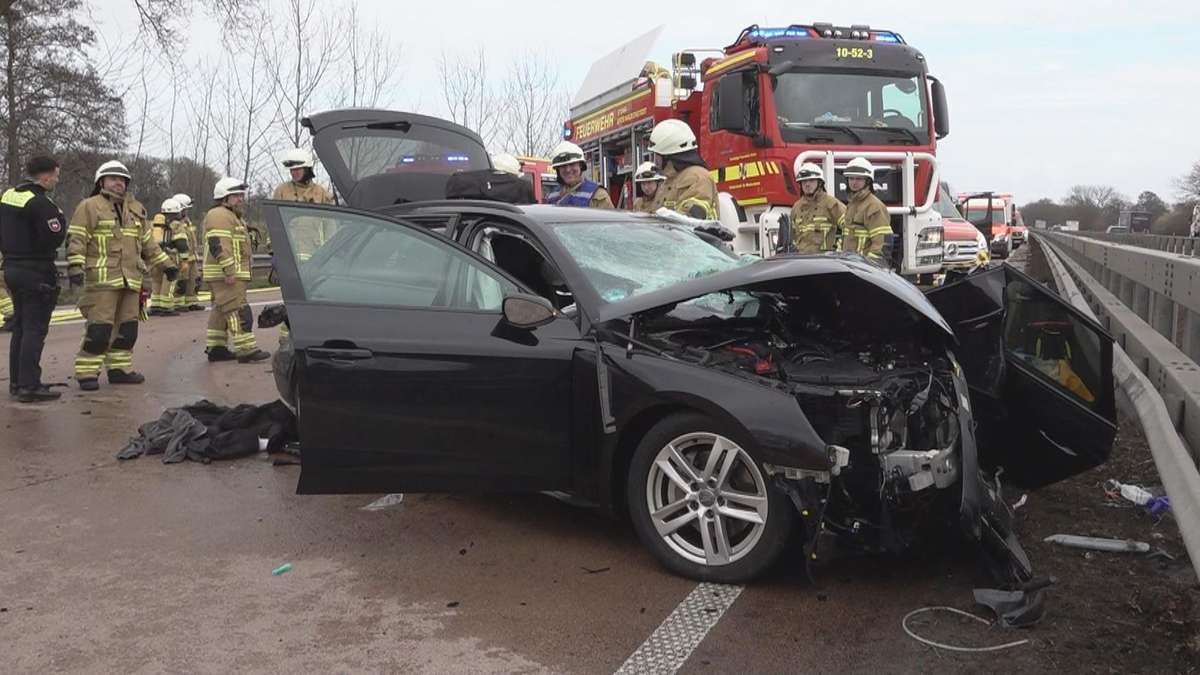
Just recently, the A1 near Stuhr witnessed another harrowing incident, this time a fatal car accident that claimed one life and left two others fighting for theirs. This tragic event occurred on a Tuesday afternoon, specifically between the Brinkum junction and the Dreieck Stuhr, in the direction of Osnabrück. Initial reports indicated a multi-vehicle collision involving at least three cars, with emergency services rushing to the scene.
Further details released by the police paint a grim picture of a chain reaction. It appears an initial collision between two vehicles left both cars stationary on the left lane. Shortly thereafter, a 70-year-old driver from the Oldenburg district approached this accident scene and was compelled to brake his vehicle due to the traffic situation. Tragically, a 23-year-old driver from the Gifhorn district, following behind, allegedly reacted too late, colliding with the 70-year-old's vehicle.
The impact was catastrophic. The second vehicle was reportedly propelled forcefully against the central reservation barrier, while the first vehicle was thrown against the outer crash barrier. The most heartbreaking consequence was the fate of the 72-year-old female passenger in the second vehicle. Despite immediate resuscitation efforts by paramedics at the scene, she succumbed to her injuries, marking a devastating loss of life. Both drivers involved in the final impact sustained life-threatening injuries. The 70-year-old driver was airlifted to Evangelisches Krankenhaus Oldenburg, while the 23-year-old driver was transported by ambulance to Klinikum Bremen Mitte.
The scale of this Fatal A1 Stuhr Accident: One Dead, Highway Closed for Hours prompted a massive response from emergency services, with multiple rescue vehicles and a rescue helicopter converging on the scene. The motorway was completely closed for several hours to facilitate rescue efforts, accident investigation, and vehicle recovery. The total damage from this incident was estimated at approximately 32,000 Euros, a figure that pales in comparison to the irreparable loss of a human life and the profound suffering inflicted upon the victims and their families.
Understanding the Underlying Causes of A1 Stuhr Accidents
While the immediate triggers for each accident vary, a closer look reveals common contributing factors that make sections of the A1 near Stuhr particularly prone to such severe incidents:
- High Traffic Volume and Congestion: The A1 is a vital north-south connection, experiencing consistently high traffic, including a substantial proportion of heavy goods vehicles. This density significantly increases the risk of nose-to-tail collisions during sudden braking.
- Construction Zones: As seen in the truck accident, ongoing roadworks often lead to narrowed lanes, reduced speed limits, and unexpected traffic slowdowns or stoppages. These dynamic conditions demand heightened driver awareness and quick reactions.
- Insufficient Safe Following Distance: A perennial problem on German Autobahns, many drivers fail to maintain an adequate safety distance, leaving little to no room for error when traffic suddenly halts. This is particularly dangerous for heavy trucks with longer braking distances.
- Distracted Driving: The use of mobile phones, infotainment systems, or even simply not focusing entirely on the road can have fatal consequences, leading to delayed reactions to sudden changes in traffic flow.
- Fatigue: Especially prevalent among professional drivers on long hauls, fatigue impairs judgment and reaction times, making them a significant hazard.
- Speeding and Inappropriate Speed: While the Autobahn has sections without a speed limit, driving too fast for the prevailing conditions (traffic, weather, construction) is a major risk factor, reducing the time available to react to hazards.
The Broader Impact: Traffic Chaos, Economic Strain, and Emotional Toll
The immediate and visible consequences of severe accidents like those on the A1 Stuhr are the human casualties and the closure of major transport routes. However, the ripple effect extends much further:
- Massive Traffic Delays: Hours-long closures lead to significant diversions, gridlock on secondary roads, and immense frustration for thousands of commuters and businesses.
- Economic Loss: Beyond the direct vehicle damage, there are considerable economic repercussions. Delayed freight deliveries can lead to financial penalties and spoiled goods, while lost productivity for individuals stuck in traffic or unable to reach their destinations contributes to a broader economic drain. The deployment of extensive emergency services also represents a significant public cost.
- Strain on Emergency Services: Each major incident requires a coordinated, large-scale deployment of police, fire brigades, paramedics, and air rescue units. These are vital resources that are then unavailable for other emergencies.
- Psychological Impact: For those directly involved, witnesses, and even first responders, such traumatic events can lead to long-lasting psychological effects, including PTSD, anxiety, and grief. The families of victims face unimaginable loss and hardship.
Navigating the A1 Stuhr Safely: Essential Tips for Drivers
In light of these recent incidents, it is more crucial than ever for all road users to prioritize safety. Here are some actionable tips to help prevent future tragedies on the A1 Stuhr and beyond:
- Maintain a Safe Following Distance: This is arguably the most critical safety rule on the Autobahn. The "half speedometer" rule (distance in meters should be half your speed in km/h) is a good guideline.
- Stay Alert and Avoid Distractions: Put your phone away. Focus 100% on the road ahead and your surroundings. Even a momentary lapse can have catastrophic consequences.
- Adjust Speed to Conditions: Always drive at a speed appropriate for the traffic flow, weather, and road conditions, especially in construction zones or heavy traffic.
- Anticipate Traffic Jams: Look far ahead for brake lights and use real-time traffic updates from navigation systems or radio reports to be prepared for sudden slowdowns.
- Be Patient: Rushing, aggressive driving, and risky overtakes rarely save significant time but dramatically increase the risk of an accident.
- Regular Vehicle Checks: Ensure your brakes, tires, and lights are in excellent working order.
- Rest When Tired: If you feel fatigued, pull over and take a break. Driving while tired is as dangerous as driving under the influence.
Conclusion
The recent severe accidents on the A1 near Stuhr serve as a stark and painful reminder of the fragility of life and the ever-present dangers on our roads. From the multi-truck pile-up to the fatal car collision, these incidents have caused immense suffering, disrupted countless lives, and placed significant strain on our emergency services and infrastructure. As investigations into these specific events continue, the overarching message remains clear: road safety is a shared responsibility. Every driver has a role to play in preventing future tragedies by adhering to traffic regulations, practicing defensive driving, and prioritizing vigilance above all else. By understanding the causes and consequences of these accidents, we hope to foster a greater collective commitment to making our Autobahns safer for everyone.